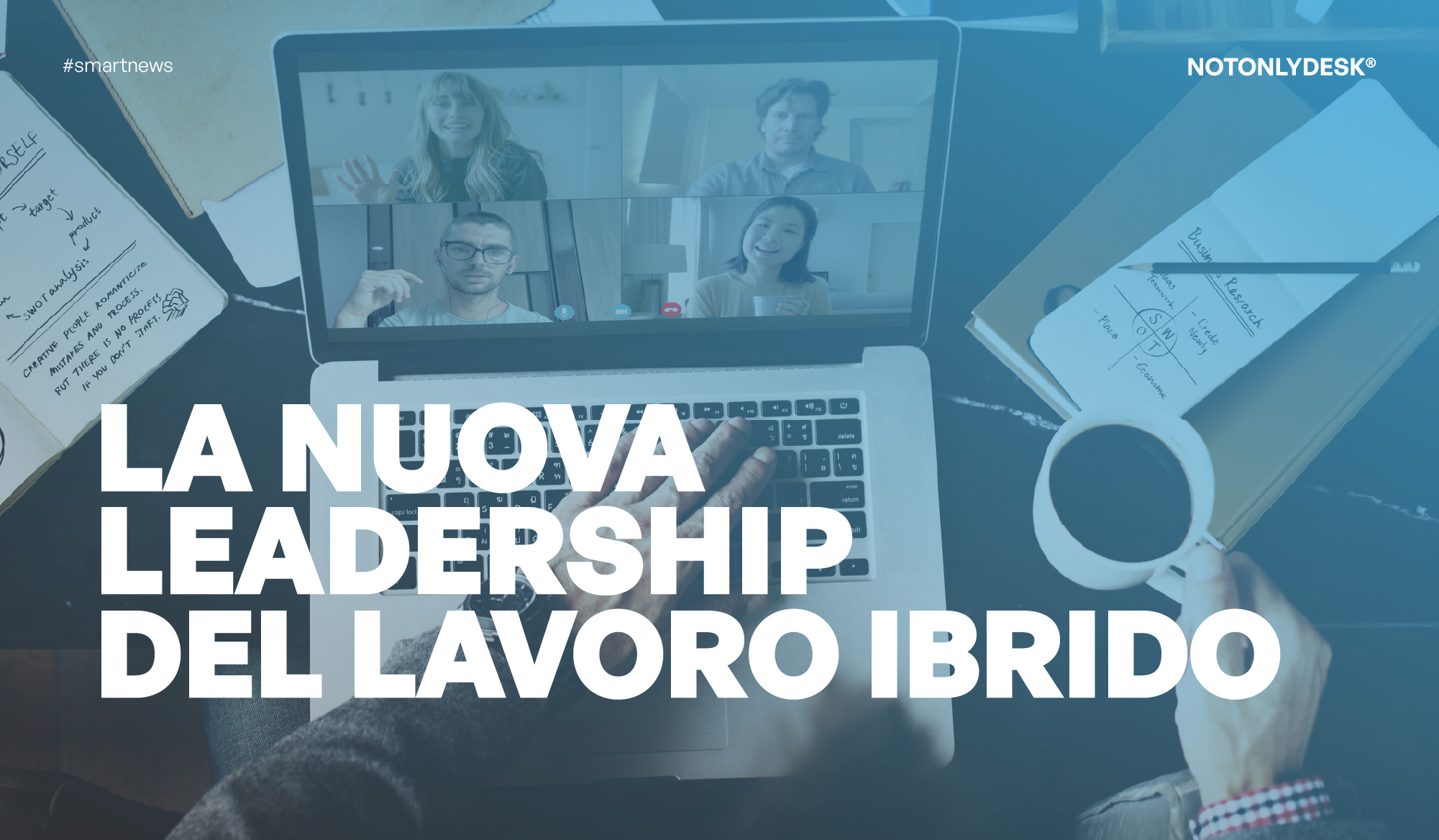
How to manage nearby, remote, and “distributed” teams
Let’s continue talking about next year, as it’s just around the corner. Hybrid work in 2026 requires an evolved managerial approach, capable of coordinating in-office employees, remote collaborators, and distributed teams, alongside freelancers and AI-based solutions. Growing organizations are adopting fluid work models built on trust, autonomy, and shared digital tools. Leadership is changing shape: shifting from operational supervision to orchestrating workflows, relationships, and technologies. Prepared managers create continuity, motivation, and measurable results through cross-functional skills and informed decision-making.
Evolving managerial skills
• Leading hybrid teams enhances advanced relational skills. • Emotional intelligence supports people’s well-being and fosters collaboration among diverse profiles, including automation systems and AI. Empathy strengthens trust and encourages creativity, constructive dialogue, and shared responsibility. • Structured communication promotes inclusion and alignment between in-office and remote employees. Shared language, team rituals, and well-chosen digital tools support equity and participation. • Critical thinking and systems fluency help managers orchestrate complex workflows, with constant attention to priorities, interdependencies, and shared goals.
Effective management of hybrid teams
More mature organizations define explicit expectations and evaluate performance based on outcomes. Clear goals, shared metrics, and distributed accountability strengthen autonomy and engagement. Collaborative platforms enable asynchronous work, accessible documentation, and traceable decision-making. Managerial training integrates skills related to cognitive bias, remote collaboration, and the coordination of diverse professional profiles. Shared guidelines for freelancers and AI tools ensure operational consistency. The most valued profiles combine technical expertise with strong relational skills, facilitating collaboration across functions and roles.
2026 outlook
Organizations that invest in hybrid leadership achieve tangible results: • increased productivity • improved well-being • greater team stability • higher levels of motivation and retention among people involved in well-structured flexible models.
The demand for cross-functional skills is growing: problem solving, hybrid collaboration, adaptability, and conscious use of digital technologies. HR and management work together to support inclusion, social sustainability, and continuous development.
Opportunities for companies
The adoption of mature hybrid models opens up new opportunities for organizational innovation. • Investments in inclusive leadership, managerial training, and digital tools strengthen resilience and the ability to attract talent. • Flexible workspaces support collaborative dynamics, fostering focus, exchange, and operational continuity across distributed teams.
NOTONLYDESK supports companies adopting hybrid work models by providing access to coworking and flexible spaces that can be integrated into HR policies and corporate budgets. A single pass allows teams to work close to their operational needs, while maintaining cost control and visibility on usage. Hybrid leadership grows when people, tools, and spaces work in harmony.
Coworking and workspaces starting from €22 per dayWith NOTONLYDESK you can book coworking spaces, workstations, private offices, and meeting rooms throughout Italy, with solutions starting from €22 + VAT per day and with no city-specific surcharges.
= 1 NODEY =
1 DESK WORKSTATION for the entire day, per employee1 MEETING ROOM for 1 hour, per employee